The Headies Moving To Toronto Leaves More Questions Than Answers
Whether this move will truly "take home to the world" or further deepen the cynicism surrounding The Headies remains to be seen.

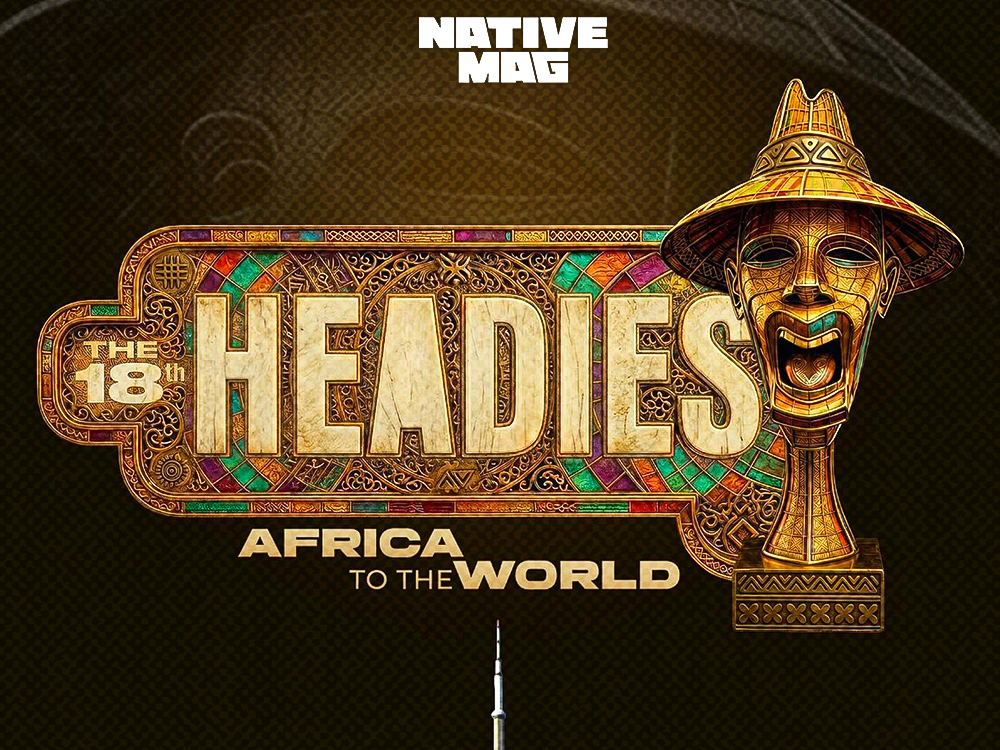
Whether this move will truly "take home to the world" or further deepen the cynicism surrounding The Headies remains to be seen.
During the “Big Announcement” event held at the Eko Hotel and Suites on June 15, the organisers of The Headies shared plans for the 18th edition of the award ceremony with fans and industry stakeholders. It was revealed that the upcoming annual ceremony will be hosted in Toronto, Canada. Ayo Aminashaun, the visionary behind the ceremony, explained the move in an official statement: “We are taking The Headies to Toronto because African music is now a global force, and the institutions that celebrate it must grow with it. Toronto offers the partnerships, infrastructure, international visibility, and economic support required to deliver The Headies at the scale that African music deserves.” Aminashaun concluded by emphasising that “The Headies is not moving away from home. The Headies is taking home to the world.”
The announcement that the forthcoming edition of The Headies would be held in Canada is hardly big or surprising given the award ceremony’s recent history. In 2022 and 2023, the ceremony was held at the Cobb Energy Performing Arts Centre in Atlanta to much controversy. Many fans and industry pundits took issue with the decision to relocate a domestic awards gala abroad, arguing that it distances the ceremony from its roots and alienates the local audience that fostered its growth.
At the time, Aminashaun similarly justified the move to Atlanta as a strategic effort to transform the ceremony into a global brand, capitalising on the worldwide rise of Afrobeats. However, the widespread disapproval of this relocation served as a mere reflection of a deeper, more cynical sentiment that an increasing number of fans and music enthusiasts have come to associate with the award ceremony.
Founded in 2006, The Headies initially began as the Hip Hop World Awards, created to recognise and celebrate outstanding achievements in the Nigerian music industry. Even though other award platforms like AMEN Awards and Fame Music Awards existed before The Headies, it quickly grew to become Nigeria’s premier music award ceremony, gaining significant relevance during the turn of the 2010s. This era coincided with the rise of seminal Afropop acts like Wizkid, Davido, Olamide, and Tiwa Savage, helping the ceremony evolve into the biggest night for music in the country.
A combination of seamless media integration, the highly coveted Next Rated Award, which came with a plaque and a brand-new SUV, and several iconic cultural moments – including the infamous squabble between Don Jazzy and Olamide, and Burna Boy’s 2013 exit from the show after Sean Tizzle was awarded the Next Rated prize – solidified the ceremony as the peak of Nigerian music recognition.
However, despite its storied history, the ceremony has faced challenges in recent years that continue to undermine its prestige. Critiques of its declining production quality, controversial award categories, inconsistency and the relocation of the ceremony are just a few of the challenges currently facing The Headies. Paradoxically, the very globalisation of Afrobeats that Ayo Animashaun cites to justify moving the show to international venues in Atlanta and Toronto has accelerated its decline. This expansion has fostered a significant disconnect between the award body and A-listers who once viewed it as their primary platform for recognition.
As Afropop gained global exposure, our superstars began to find validation from prestigious international award bodies. This shift fundamentally altered the industry’s hierarchy of prestige; the allure of a Headies award began to diminish as the pursuit of accolades that offer broader global reach became more popular. The Headies, unfortunately, has struggled to evolve alongside this changing landscape, remaining mired in technical and production difficulties that alienate both its domestic audience and the stars who were once its most loyal supporters.
The forthcoming 18th edition perhaps presents another opportunity to rectify these past mistakes, bridge the growing gap between the show and its followers, and prove that it can still provide a meaningful stage for African music despite the lure of global award bodies. During the Big Announcement, Animashaun also revealed that the event will not abandon its local audience, as the Toronto ceremony will run simultaneously with a live watch party and selected award presentations in Lagos. Whether this move will truly “take home to the world” or further deepen the cynicism surrounding The Headies remains to be seen.

