Oskido Reimagines Legacy With The ‘Afro House Heritage Project’
The first installment of the ‘Afro House Heritage Project’ by Oskido attempts to figure out what new directions African Dance music can take.

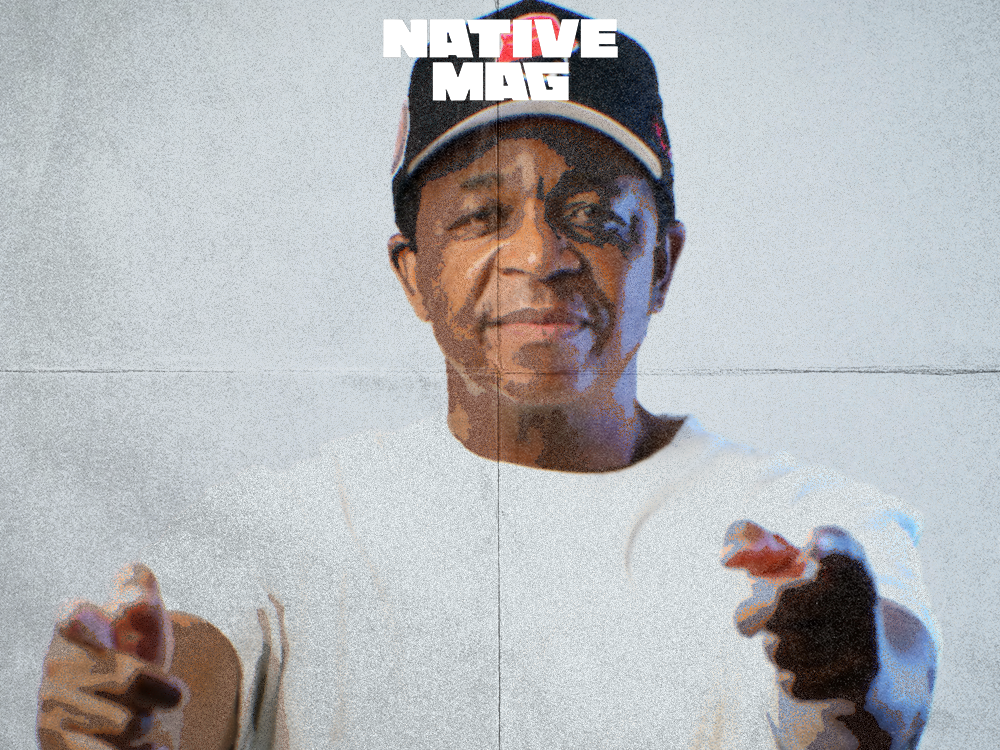
The first installment of the ‘Afro House Heritage Project’ by Oskido attempts to figure out what new directions African Dance music can take.
As one of the pioneers of South Africa’s most impactful iteration of Dance music, Oskido has had his hands on more than just vinyl and decks. Since contributing to the birth of Kwaito at the dawn of the 1990s, the artist, christened Oscar Mdlongwa, has had his finger on the pulse of South African house music trends. Omnipresent across eras, Oskido also played a significant role in the careers of household names such as Black Coffee, DJ Maphorisa, DJ Tira, Boom Shaka, and Mafikizolo.
It’s with this impulse that his ‘Next Gen’ album saw him align with Amapiano’s upcoming stars, and now on the ‘Afro House Heritage Project (A Tribute to Legacy and the Future of Dance),’ Oskido teams up with a cross-generational cast of producers to reimagine his catalog. The first installment of the ‘Afro House Heritage Project’ attempts to figure out what new directions African Dance music can take by offering a remix pack of the Candy Tsamandebele-featuring “Tsa Ma Ndebele.”
Zimbabwean DJ and Afrotech maestro, Dr Feel, leads the way, steering Oskido’s massive hit into new, electronic-tinged territories. While the catchy refrains remain core to the track’s foundations, Dr Feel’s production folds them into sinewy basslines, thrusting claps, and rhythmic percussion. Manoo and Atmos Wav also take the reins, with their own interpretations of the song.
These invitations to look into the past, however, aren’t signs of waning enthusiasm or inspiration. “I’ve been part of the culture and I’ve seen different genres emerging,” Oskido tells NATIVE Mag. “So, I thought to go back to tracks I did years ago and bring them back to life into what’s happening now, which is Afrohouse.” A cultural icon, musician, producer, and DJ with fingerprints across Kwaito, Tribal House, Afropop, Hip-Hop, and Gqom, Oskido’s spirit of curiosity has helped him stay at the forefront of African Dance music through the years.
“I live and breathe music, so I like experimenting,” he says. “I like to be teachable.” That sense of openness shines through on a discography shaped by collaboration, and is palpable in how the ‘Afro House Heritage Project’ brings together more names like AMÉMÉ, Mpho.Wav, Nkosazana Daughter, and Atmos Blaq. “They are young people who are making waves in their scenes,” Oskido says. “I learn from them and they learn from me, so it’s a two-way street.”
Central to this project is Oskido’s ongoing commitment to inter-generational musical conversations, most recently established through DJ Sliqe’s sampling of “Tsa Ma Ndebele Kids.” Reworked by the South African Hip-Hop DJ and producer on his Bangerville EP, the song is recontextualized and served to a brand new audience in all its 808-leaning glory. “He grew up listening to this music just like the producers on my project,” Oskido explains. “He put his own touch on it and gave it more life, and that’s the beauty of music. We have to do this more with our African music!”
The ‘Afro House Heritage Project’ promises further exchanges of this nature by reimagining Oskido’s music in the same way he has reinvented himself across decades. “For me to be in the industry for this long, I’ve had to be able to reinvent myself,” Oskido says. “But we’re also reinventing the sound, you know? Some generations danced to this sound years ago, and now we want to share it with the world.”
The sound he refers to influences the likes of Bacardi, Amapiano, Gqom, and Afrotech and has soundtracked everything from late nights on dancefloors to sticky afternoons at taxi ranks. Now, it’s firmly part of a nation’s DNA. The ‘Afro House Heritage Project (A Tribute to Legacy and the Future of Dance)’ is a symbol of this journey into ubiquity, from past to present, for both the genre and Oskido himself.
What is the ‘Afro House Heritage Project’ all about?
The project is about bridging the past with the future. I’ve taken songs from my catalog that shaped an era and reimagined them with some of today’s most exciting Afrohouse producers. The goal is to celebrate African heritage, reintroduce these classics in a global Afrohouse language, and show the younger generation that our history is not something to look back on. It’s something to remix, reimagine, and carry forward.
What is the secret to your longevity, and how do you stay relevant across so many musical eras?
For me, the secret has always been curiosity and humility. I have never stopped being a student of the game. Each generation brings new sounds, new energy, and I choose to collaborate, to learn, and to evolve with them. At the same time, I stay grounded in my own identity and roots. That balance between respecting where I come from and embracing what’s coming next has kept me relevant.
How can our heritage as Africans help us become more innovative?
Our heritage is the biggest source of inspiration. Africa has rhythm, stories, traditions, and a spirituality that the world connects with. When we tap into that, we don’t have to imitate; we innovate naturally. Innovation comes when you are confident in who you are and use your roots as a springboard to create something new and universal.
Did you stumble upon any great memories while re-imagining this music?
Yes, absolutely. Revisiting classics like “Tsa Ma Ndebele” reminded me of the magic of those sessions, the community we built, and the energy that inspired people at that time. It also reminded me of how music carries emotions. You can feel the joy, the struggles, and the dreams we had when we made it. It’s like opening a time capsule, but now you get to give it a fresh voice for today’s audience.
What does memory mean for someone who describes their catalog as a library?
Cultural memory means preserving the soul of our people and passing it on through music. When I say my catalog is a library, I mean it’s a living archive of sounds that document not only my journey but also the story of South African and African music. A library is not static; it’s a place people keep coming back to, to learn, to reflect, and to build on. That’s how I see my work.
Listen to “Tsa Ma Ndebele” here.

