Matt B Is Reconnecting With His Roots
We speak to the singer about his win at the 2025 Grammy Awards and what it means for the future of East African music.

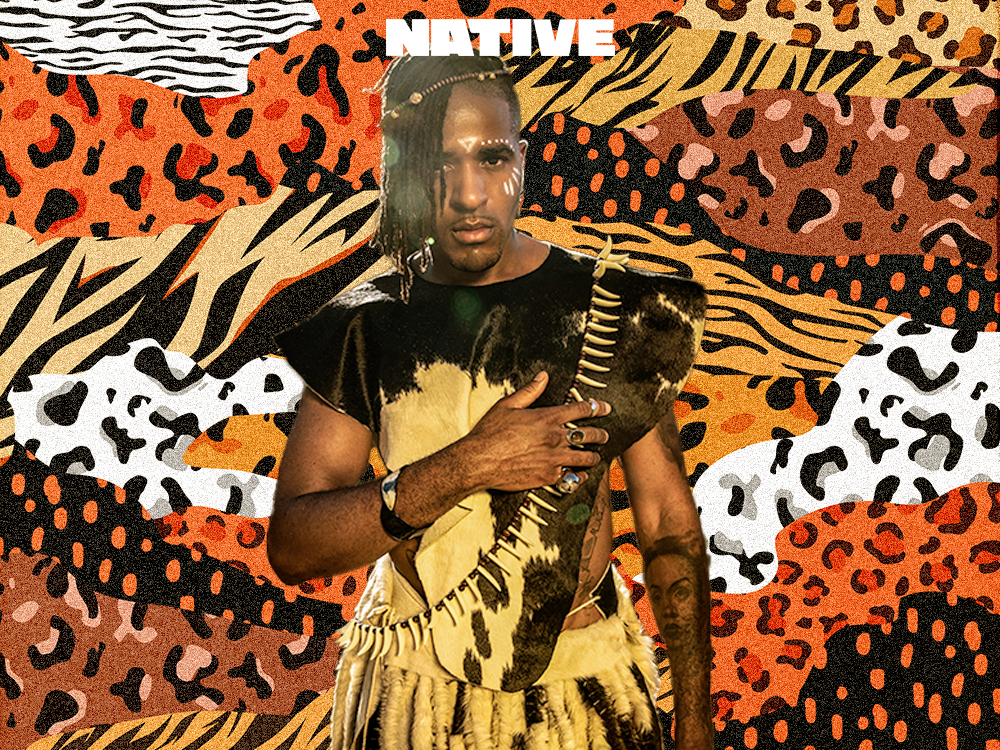
We speak to the singer about his win at the 2025 Grammy Awards and what it means for the future of East African music.
When Matt B’s name was announced at the 67th Grammy Awards for his triumph in the Best Global Album category, history was made. It wasn’t just another win for a global artist; it was a moment that placed East Africa and Uganda firmly on music’s most coveted stage. For 20 seconds, Matt says his mind went completely blank as he rushed to the stage, overwhelmed with a tidal wave of joy, disbelief, and pride. “It was pandemonium,” he recalls. “I was living in the moment fully.”
When we hop on a Zoom call on a calm August Saturday night, it is evident that music is part of Matt’s daily surroundings, with three bass guitars sitting in the background. “I am still jet lagged as I am trying to adjust to the time zones,” the Grammy Award winner says as he is fresh from a trip to Uganda that saw him named as the Tourism Goodwill Ambassador for Uganda by the Uganda Tourism Board.
In 2023, Matt B released the first series of ‘ALKEBULAN,’ an expansive project that saw him celebrate Africa’s sonic palettes with a plethora of collaborations, including Eddy Kenzo on the Grammy-nominated song, ‘Gimme Love.’ His connection with Uganda grew as he felt he had an incomplete mission with the loss of the Grammy nomination for Best Global Music Performance. The hunger and drive pushed him to deliver the second installment of the ‘ALKEBULAN’ series, earning him a Grammy nod and a win at the 2025 edition of the award ceremony.
A reflection of Matt B’s journey, ‘ALKEBULAN II’ weaved experiences of loss, struggles, and oppression into a cohesive narrative. The graceful voices of the Royal Philharmonic Orchestra in “Renewal” created a nostalgic wave of emotions, and “Lost Drums” echoes the cross-continental connection of African sonics, paying homage to what has come before. For East Africa and Uganda, ‘ALKEBULAN II’ marked an important step to bringing its music to the world with two Ugandan producers earning Grammy Awards for their co-production.’ Additionally, four Ugandan songwriters made lyrical contributions to the award-winning project, highlighting the communal effort required to make ‘ALKEBULAN II.’
We speak to Matt B about his Grammy win, collaborating with East African creatives, and what the future of African music looks like.
Why was it important for you to bring East Africa, specifically Uganda, into your project, and how did you approach that musically and spiritually?
When I began my journey of exploring African music, Uganda was the first African country to welcome me, despite my Nigerian descent. That really stood out to me and touched my heart. I also shared my first nomination with an East African artist. At this point, I had already started building out a team of producers and songwriters in the country, and I really wanted to give them a chance, as they are crazy talented. They were the underdogs, which is something that I can really relate to.
So, we kind of went on this journey to prove to the world that you don’t always have to be at the top of the totem pole to achieve something great. Sonically, we just wanted to create good music and speak to the ancestral lineage that we all come from in the diaspora. Telling those beautiful stories through traditional, African rhythms, instruments, and language. Diving in deep and showing the beauty and wonder that the continent has to offer to the world, which sometimes may go overlooked. This journey was very spiritually healing for me, especially as an African-American. Then to take something so beautiful and share it with the world, especially our people. It truly was a great honor, and not something I take lightly.
How do you hope your win changes investment opportunities in African talent, especially from underrepresented regions like East Africa?
I really hope that this win is a conversation starter on a global level. People are now waking up and realizing that Africa, particularly East Africa, has something to say, and they add value to the conversation on a global scale musically. Some of the most talented musicians in the world reside in East Africa, and I believe that the world is better off when everyone has a voice and a seat at the table.
Can you tell us more about your work with Congress and the Recording Academy? What are some of the specific policies or protections you’re fighting for?
We’ve been pushing for bills that protect artists’ rights and intellectual property, including the NO FAKES Act, which addresses the misuse of artists’ voices, images, and likenesses by AI. Right now, anyone can create songs imitating an artist’s sound or style without permission, leaving us vulnerable and uncompensated. With no existing laws to safeguard us, this legislation is critical. The NO FAKES Act has already gained strong support across the music world, and we’re hopeful it will soon be passed into law.
What challenges do Black creators face when it comes to ownership and recognition, and what reforms do you believe are long overdue?
In my opinion, Black creatives are the most talented creators in the music industry and entertainment, bar none. Many creators find themselves locked into bad contracts or being pigeonholed into genres that they may not truly be passionate about. In the background, people are stealing our art and forcing us to give up our intellectual properties to artists of other races that people at the top may feel are more deserving. This has been a problem since the creation of the music industry and the entertainment industry as a whole. Educating our community about proper contracts and the workings of the business end of the industry. We also have to continue to build our own table. Ownership is the most important thing at any level of business. When you give up your ownership, you give up your rights, and then people can do whatever they want to you.
What progress have you seen from the Academy in recent years, and where do you think the most work still needs to be done?
The Recording Academy has done an incredible job of diversifying its membership, with more women, people of color, and independent artists represented than ever before. That shift makes the Academy a truer reflection of today’s music industry. Beyond recognition, they’re also helping artists tap into areas where real opportunities lie: publishing, brand deals, and sync placements. One of the biggest benefits of membership is networking, being able to connect with some of the industry’s most influential people. I admire the Academy’s commitment to artists on a global scale, and I hope more organizations in music follow their lead.
The word Alkebulan is the original name of Africa. What inspired you to center your work around that name and concept?
During the creation process of the ‘ALKEBULAN‘ series, Angela and I kept saying to one another that we had to do something impactful, changing the narrative for our people in the diaspora. When you think about the continent of Africa, something very similar happened. Africa was stripped of its identity, parceled up into pieces, and sold to the highest bidder. So we wanted to name the album ‘ALKEBULAN‘ as a symbol of reclamation. This is about giving that identity back. There’s so much power and identity in a name. That’s where it starts, where the conversation begins. This is us giving Africa its rightful name back, giving our people their identity back, and strengthening our foundation so we can build for the next generation.
What kind of research or collaboration went into exploring Africa’s pre-colonial identity in your music?
We spent years researching as much as we could about Africa. We wanted to be sure we were as authentic and culturally accurate as we could be. From the clothing to the dialects, languages, rhythms, and beliefs. As much as this was about the music, this was also a history lesson. We took the time to tether ourselves deeply into that history so we could then place those lessons into song, dance, textiles, and cinematography.
In your view, what’s the role of music in healing historical and cultural disconnection?
Music truly is a universal language. Some things just can’t be described or interpreted through speech. Music is the conduit. That’s what makes music so powerful, and why it is such a big responsibility for the creative who decides to dedicate their life to this craft. This is more than melody; it is the ether. The great connector to the Most High. We channel His energy and emit it through our songs. I believe that it’s the closest that we will ever get to God on Earth.
How do you incorporate African history and culture into your songwriting and production?
African culture in history is intricately woven into the songs and videos I produce. From the rhythm patterns of the djembe to the African languages I sing in, like Swahili and Bantu, and the beautiful wardrobe that is depicted in my music videos. I believe that telling the story through cinematography is just as important as telling it through music. The short film we created around the project helped to round out the story. We traveled to two different African countries and four cities in 10 days to film to showcase the diverse landscapes and wonders that exist across the continent. It helps to deepen the impact and understanding of the rich culture and history of the Motherland.
You’ve mentioned Quincy Jones and Berry Gordy as inspirations. What parts of their legacy resonate most with you today?
Quincy and Berry are legends whose stories continue to inspire me. I deeply admire that both are God-fearing men who put family first, a value that drives me in my own journey. My family is my biggest motivation, and seeing how they built legacies rooted not in self-aggrandizement but in impact pushes me forward. Their records spoke to the times, broke barriers, and reshaped an industry that often worked against people like us. Yet, they carved out space, shattered ceilings, and left a foundation for future generations.
How do you define leadership in music, especially as a Black creative navigating both local and global landscapes?
I’ve always believed in making space when no one offers it, and then building enough for others to join. That’s why I started Vitae Records, first out of necessity, and now as a platform to support independent artists through mentorship, internships, and distribution. Angela and I invested in our own cinema gear when we couldn’t find people to bring our ideas to life. Learning the craft ourselves not only elevated our visuals but also allowed us to mentor young filmmakers, like the two aspiring creatives we recently worked with in Uganda
What advice would you give to emerging Black artists who want to make an impact, not just through music, but through action?
For emerging artists, the key is not to be selfish. When you walk through the world with open hands, ready to give and receive, you create room for growth. Be passionate about your art, but don’t cling too tightly to it. Music is a conversation, and not everyone will love or hate what you make. Once you release it, it no longer belongs solely to you; it’s an expression that others will interpret in their own way. Create freely, create authentically, and let your work live beyond you.
Listen to ‘ALKEBULAN‘ here.
Photo Credit: Emma Tickson.

