Interview: Solana Is Just A ‘Girl From The West’
Solana's new project, ‘‘Girl From the West,’ is a crystallization of the journey she’s been on since “Okunkun” caught attention.

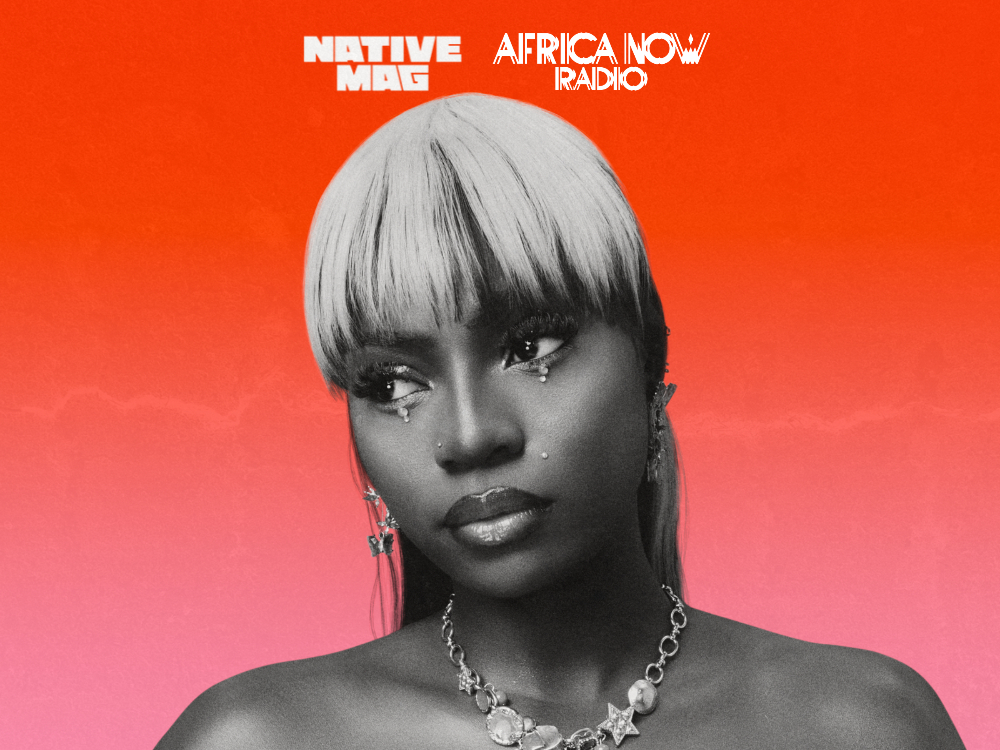
Solana's new project, ‘‘Girl From the West,’ is a crystallization of the journey she’s been on since “Okunkun” caught attention.
The release of Solana’s “Okunkun” in June 2026 was a transformational moment for the singer, who leaped to the front of the queue with her Yorupop sound. Five months later, Solana is at the forefront of a new generation of singers tapping into their roots for music that pays homage to their origin without losing touch with the cutting edge of modern music across genres like House and Synth-Pop. Her new project, ‘‘Girl From the West,’ is a crystallization of the journey she’s been on since “Okunkun” caught attention on social media.
“‘Girl From the West’ just came naturally because I’m from the West,” she told Apple Music’s Africa Now Radio. “When I dropped “Okunkun,” whenever I posted on IG, I always added sounds from the West. I always add sounds from the West. When we were looking at the songs that we’re putting on the EP, I was like, “Oh, I’m introducing people into my world. I’m bringing people into my world.” Them getting to know Solana, and who is Solana? I’m just a girl from the West.” Across the seven songs of ‘Girl From the West,’ Solana extends her inventive streak, helming a call for self-determination and escapism on “Faaji” as well as an invocation to be determined on “Dide.”
This conversation has been edited for clarity.
How do you feel about likes of Doechii, SZA, and Tyla tapping into your music?
It’s incredible. I’m like, “What?” Like, it’s just me. How are these people…” These are people that inspired me, and they actually know my music. I’m like, “Okay. Maybe we can do something.” It’s crazy.
What does YoruPop mean?
I think for Yorupop, it was when I started singing “Okunkun,” the name came up as Yorupop. I was just being Solana. I was just being myself, just making music the way I usually do. So, I think people just like it because it’s something new. It’s not something that they’ve seen, so they gave it a name. It’s actually a beautiful name, so why not YoruPop? I was just being myself, just putting out music that I felt like this was the way I wanted to express this, whatever I wanted to say. I did it, and people are like, “This is Yorupop.” And I’m like, “Yes, this is Yorupop.”
Why did you name your EP ‘Girl From The West?’
‘Girl From the West’ just came naturally because I’m from the West. When I dropped “Okunkun,” whenever I posted on IG, I always added sounds from the West. I always add sounds from the West. When we were looking at the songs that we’re putting on the EP, I was like, “Oh, I’m introducing people into my world. I’m bringing people into my world.” Them getting to know Solana, and who is Solana? I’m just a girl from the West. Every girl that you see on the streets of Lagos. I’m literally showing them; I’m giving them a glimpse of what my world looks like, my growing up, my surroundings, things that I’ve been influenced by. ‘Girl from the West,’ and that’s how it came about.
What inspires your fashion choices
Honestly, I don’t know. I just do what feels authentic to me. If I like it, I wear it. If it feels like this is something I’m comfortable with or this is how I want to be perceived, I will do it. I feel like I’m just influenced by my surroundings, my generation, and my culture, basically. I think everything just comes together to make Solana.
What inspires your sound?
We were just experimenting. Killertunes is a dope-ass producer. We’ve been working for such a long time—working since 2019—and he’s someone who gets me, and I get him as well. So, we can just start from scratch, and it just becomes this beautiful thing. We are just always experimenting, trying out new stuff. And so, I feel like we are just creating music. Just creating all kinds of music. I grew up in a Yoruba home, at least in my early years—when I was one to six—because my mom is a typical Yoruba party, Owambe mother. She loves to party. She loves to throw parties. She’s always throwing parties, like. At those parties, they usually play Yoruba music: Pasuma, Haruna Ishola, and Ebenezer [Obey]. So, that was what I was listening to, that was what I was getting, and then I lost my mom, and I had to move in with my uncle. I was that child who was glued to the music stations. I was that child who, when I woke up in the morning, was on all the music stations. So I started getting more influenced by other music. That’s where I saw Lagbaja for the first time. Music was a safe space for me, a place I could go to and forget about everything else. I’m just locked in. I’m just focused on the music, and then I started writing as well.
How has music been therapeutic to you, especially after your mom’s passing?
Losing your mother at that age, you go back into yourself because it’s like you don’t feel safe anymore.
Your mother is like your protector. So, I was a child who was withdrawn. I think music was what kept me. If I’m maybe listening to music, I feel like lost in that. I don’t think about any other thing going on around me, and then I started writing. I wrote my first song when I was six. It was a way to express my emotions if there was something I wanted. It now became like a way for me to express myself—and it was literally my safe space.
How did jewellery making and crocheting help through your depressive state?
I actually just started. Last year I was super depressed. There was something I really wanted to do, and I went for the audition and stuff. It was a big reality TV show. I went for the audition, and I was waiting. I got a golden ticket, and if I could get on that stage, then I could get people to listen to my music because it’s a really big stage. It’s a stage that Africa watches. Then I went for the second interview, and I was waiting. Every day I would check my emails. No email yet that I’d been selected. At that point I was like, “If I got a golden ticket, that means I’ve entered the show. What are you guys doing?” So, it was a really depressing period. I waited for three months until the show started. And I was like, “Oh, so this is it.” Honestly, I don’t want to remember that stage in my life. It was so bad. What got me through was that I just went on YouTube one day, and I was like, “I’ll learn how to crochet.” So I got some crochet stuff, the basic tools for crochet, and then I started watching YouTube, and I started crocheting. That was when I just started crocheting. Most of the stuff that I use, even on my IG, I made it. From crocheting, I started seeing jewelry making, and I was like, “I want to do this as well.” So, I got some jewelry-making stuff—and that’s how I just started. It was like my coping mechanism. It really brought me out of that depressive state. They helped me be creative again because I was really down. Every song I wrote at that time was so sad and pitiful. The funny thing is, I ended up performing on that stage this year, and they paid me.
What was it like performing in London?
It was really beautiful because I’ve always had the dream of being this superstar. I’m like, “I want to share my music with the world. I want to bring people into my world.” It’s actually happening because last year, I usually thought, “How will things happen for me to get to that place where I want to be?” So I did not imagine that this time this year, I would actually be in London and playing my music. So, it was crazy. It was such a beautiful experience. My sister was there, and her baby, and her husband. I was literally seeing my sister for the first time in four years. I was meeting my nephew for the first time, and her husband as well. So, it was so many beautiful things happening at the same time, and I was just grateful to God.
How do you intend to retain creative control and stay authentic after being signed to ‘Since 93?
My creative process is something that is very important to me, and that was one of the things I was really holding on to before signing with any label. They all came when “Okunkun” was blowing up. We had a lot of reaching out, and we really wanted to sign with someone that understands us like, “Oh, we trust you guys to deliver good music.” When it comes to my creativity, I’m rooted in that because if I cannot be myself, then what’s the point?
The whole point of me making music is to express myself, to share myself with the world, and literally bring them into my world. So, if I can’t do that, then what’s the point? That was something that I really held on to. With Since 93, we understand each other, and I’m just excited for the future.

