How To Listen To Afropop
When you press play on Afropop, remember you’re not just hearing music, you’re participating in a cultural shift.

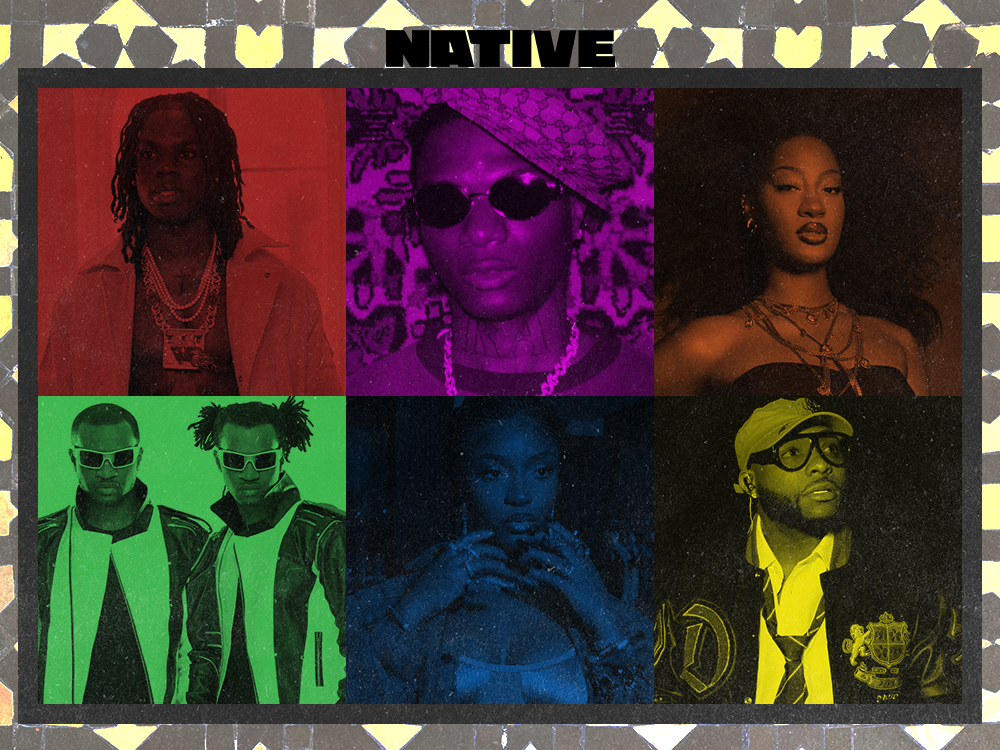
When you press play on Afropop, remember you’re not just hearing music, you’re participating in a cultural shift.
One of the beauties of the human experience is being able to not only create art but to appreciate art in all its expressions. Whether that is through attending an exhibition by the wildly talented Slawn, diving into a novel by the masterful Chimamanda Ngozi, or being swept up by a range of emotions as the incredibly skilled Mercy Johnson brings a Nollywood character to life. There is beauty in experiencing.
To experience art is to hold a quiet kind of privilege, carved out by geography, class, and time. In the Western world, we carry it so casually that we forget it’s even there. For us, these are regular activities that help us unwind and reconnect. But for others back home, the privilege of experiencing is something that poverty has robbed them of.
Poverty is much more than a lack of material resources; it is a systemic exclusion from the everyday experiences that define a full life. It quietly denies people access to the cultural and artistic moments that others may take for granted. For many Africans on the continent, this can mean being shut out from the simple yet profound act of engaging with music not just as background noise, but as a full, intentional body of work: an album.
I grew up on Afropop. I’m talking about D’Banj’s “Oliver Twist,” P-Square’s “No One Like You,” and Davido’s “Gobe” era of Afropop. Honestly speaking, it wasn’t until later on in my teenage years that I was even able to identify Afropop as a genre. For me, it was simply just the music that I was always surrounded by. It was played at every birthday party, graduation, drive to school, and on Saturday mornings as we were cleaning.
That is why it was so jarring to me when Afropop became popular in the early 2010s. The cultural shift was exciting, but it also humbled me. As a music enthusiast, I realized how easily I’d taken Afropop for granted. How I’ve danced to it, lived in it, but never truly listened to it. I found myself eager to dissect the latest Beyoncé album and deep dive into the thousands of hidden messages in ‘To Pimp A Butterfly,’ yet I overlooked the depth in the music that raised me, failing to understand and appreciate the artistry and talent that have been with me all along.
That was until I heard ‘Twice As Tall.’ Released in 2020, Twice As Tall was Burna Boy’s fifth studio album. The album is a fusion of Dancehall, Pop, and Hip-Hop, featuring a wide range of artists, from UK rapper Stormzy to Kenyan band Sauti Sol, to Coldplay’s Chris Martin. Beyond the impressive features, the album was a powerful statement. It was the first Afrobeats album to win a Grammy for Best Global Music Album at the 63rd Annual Grammy Awards in 2021. Needless to say, it’s a landmark moment for Burna Boy’s career and for African music as a whole.
This album was personally significant because it was the first time that I properly sat down and listened to an Afropop album in chronological order. For four months, it was on repeat. I spent hours peeling back the layers of each song, seeking to uncover Burna’s message, a powerful tale of colonial legacy in Nigeria, the current state of the African diaspora, and the strength of Black unity.
For me, it wasn’t just about the words; it was the way the production and sounds brought the story to life. It came together as a complete body of work, perfectly tailored to tell a tale that only Burna Boy could tell. Since ‘Twice As Tall,’ there have been a handful of other albums that have had a similar impact on me, including ‘Made in Lagos’ Mr. Money With The Vibe,’ ‘Sincerely, Benson,’ ‘The Year I Turned 21,’ and most recently, ‘The Summer That Saved Me.’ For me, all those albums have beautifully translated a story, while staying rooted in Afropop.
While much can be said about each of these albums, the real catalyst for this piece, and the heart of my reflection, comes from an interview Davido’s manager, Asa Asika, did with Afropolitan. Asika talked about the monumental year Davido had in 2017, when he dropped two of the biggest songs both in Africa and worldwide, ”If” and “Fall.” He goes on to explain that their choice to drop singles consistently, rather than an album, reflects the reality of Afropop being more of a singles market than an album-based one at the time. According to him, this trend is driven by the rapid pace at which music is consumed today.
After hearing that, I found myself asking: What makes Afropop different from other genres when it comes to the consumption of albums? In search of the answer, we must turn our focus to the genre’s main audience, which is largely based in Africa. This requires taking a sociological approach and analyzing the socioeconomic factors that influence experience in Africa. More specifically, how poverty plays an instrumental role in shaping the Afropop market into what it is today. In order for this to make sense, it’s important to recognize that poverty and art are not two separate aspects of life. They are deeply intertwined. The inability to experience art is a result of poverty.
Even for those in more stable socioeconomic positions, carving out moments for personal interests can be a challenge. So, imagine how challenging it is for those caught in the grip of poverty to indulge in their interests. Africa holds some of the highest poverty rates in the world, and with that comes a daily reminder that survival takes precedence over personal fulfillment.
For many Africans living in poverty, the idea of carving out time to explore personal interests whether that’s reading, painting, or simply resting feels out of reach. Leisure becomes a luxury. So, it comes as no surprise, then, that listening to full-length albums isn’t always a priority, not out of disinterest, but out of necessity. They literally can’t afford to sit with a project, to peel back the layers, to anticipate the transitions, or to even register the intentions behind the sequencing of songs. Albums require time, presence, and mental space, all of which poverty makes incredibly difficult to access.
That is why songs are short, catchy, and immediately gratifying. The market is fast-paced because life is fast-paced. People are quite literally fighting to survive, and the music they consume is a reflection of that urgency. In this context, it is worth remembering that in a world where so many are denied the time to feel, reflect, and indulge, the ability to truly experience art becomes its own quiet rebellion. Poverty takes away the ability to sit with something meaningful, to be still long enough to listen, and to feel. That’s what makes the experience of an Afropop album sacred. It’s layered, full of story and intention.
Afropop is no longer confined to home speakers and dance floors. It’s a global force, reshaping music markets and cultural conversations. So, when you press play, remember: you’re not just hearing music. You’re participating in a cultural shift. You’re using your privilege to sit with something others may never have the chance to. Listening fully is more than enjoyment; it’s a way of honoring the art and respecting the journey, and acknowledging that in a world shaped by inequality, choosing to slow down and feel deeply is its own radical act.

