Interview: Blxckie Is Embracing Growth On ‘YENA’
On his new album, ‘YENA,’ Blxckie is taking stock of all the ways his life has changed since 2021’s ‘B4Now.’

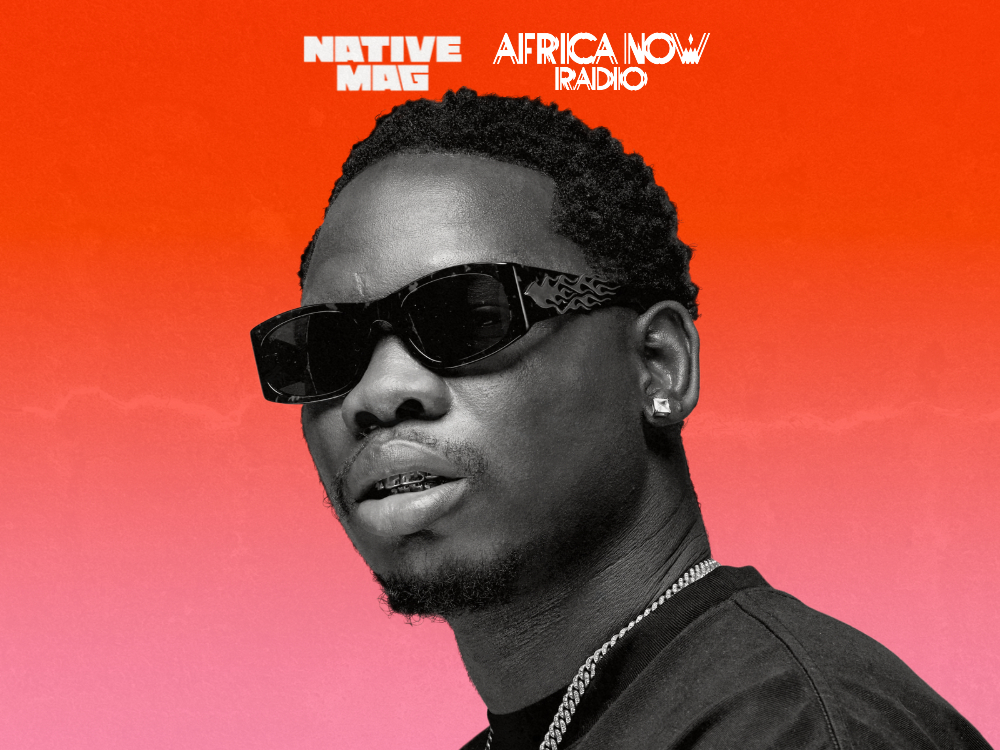
On his new album, ‘YENA,’ Blxckie is taking stock of all the ways his life has changed since 2021’s ‘B4Now.’
When he emerged in 2020 with a cache of singles and freestyles that carried him to the mainstream of South African Hip-Hop, Blxckie was a precocious talent figuring out his pathway in a notoriously unreliable industry. More than half a decade later, the rapper is one of the Rainbow Country’s most respected MCs and performers, growing into the sort of act that combines critical acclaim with the sort of genre-defying gravitas that carries acts into a different stratosphere.
On his new album, ‘YENA,’ Blxckie is taking stock of all the ways his life has changed since 2021’s ‘B4Now.’ There is a callback to the opener of ‘B4Now’—“Mama It’s Bad”—on “mama, it’s all good.” From there, he walks listeners through the euphoric highs and melancholic moments he’s faced over the years. There’s also a chance to exchange bars with fellow rap stars like Bas and A-Reece, reflecting Blxckie’s standing in the game. There is also space for a new generation of South African Hip-Hop stars like K1llbrady and KindlyNxsh, marking a new meeting point of generations that Blxckie is proud of.
All of these strides are in service of becoming a better version of himself, a goal that Blxckie carries close to his heart. “I don’t have to be just rapping all the time,” he told Apple Music’s Africa Now Radio. “I can rap on different beats. I can rap less, and people will still hear what I’m saying. I can get more spiritual and more cultural with it. So, I feel like this album is just me showing before now and where I am right now. I’ve been perfecting the skill of just being able to do this thing at the highest level.”
This conversation has been edited for clarity.
What inspired the album?
With every project, one of the main goals is to separate myself from my peers or just the space in general because I like having my own space. I like operating in my own little realm. It’s the same reason why I jump into different genres and do all these different things, just to be seen in a different light than just a Hip-Hop and R&B artist. I just try to be a full-on musician; the album depicts that in the best way possible.
At what point did you realise you were one of the people shaping the game?
I do see it mostly when I’m trying to put on something that I really believe in. Some people that I really believe in, most of them are like really young kids, and I’m like, “Okay, this thing that I’m doing, it does feel like I’m a little bit of an OG right now.” But, at the end of the day, you don’t stop learning, you know? There are different levels that I reach. And at each level, some people are teaching me things like, “Okay, this is how you move at this point,” or, “This is the type of stories that most people will be telling at this point.” I don’t think I’d ever stop being a student of the game. The game is vast, especially when I leave SA. There’s a lot to learn outside of the country. I think I mean right now I’m in a space where I’m the guy to look at for the culture and who’s next and stuff like that. But I’m also on the cusp of just pushing this whole thing further than South Africa.
What does it mean to you to create a new blueprint?
I tell the kids that I work with a lot that there’s a lot of stuff that you’ve seen and heard about what’s going on in South African Hip-Hop and R&B, but there’s like a good change happening right now. Mostly due to the influx—just the amount of music that’s happening, the amount of music that people consume, the rates at which they’re consuming it—some of the old formulas don’t really cater to what’s happening right now, sonically speaking. When we start switching, and then we start doing different genres, or when Ricky was like, “Ah, nah, you guys must ignore radio.” It was a super direct statement that people didn’t really mess with it, but I think the message was that there’s so much happening right now that there needs to be new ways to go about promoting and marketing the music or just promoting yourself as an artist and growing as an artist.
What excites you when it comes to this new wave of South African Hip-Hop?
The most exciting thing is that they’re all super proud of their culture and where they’re coming from, and it shines through in their music before people even get to the point where they are asking too many questions. Straight out the gate, people like 52Hunnid are like I am a Hip-Hop producer, but you’re gonna hear this shekela,” which is this new genre. It’s a House beat, but now I’m rapping on top of it. Nxsh is taking ownership of that whole Shona man thing and putting that into the music. Brady’s doing the whole North God thing, taking from layers but keeping it very modern and fresh. So, I feel like out the gate, they know exactly what they wanna sound like, and that’s just super inspiring for me.
What is your definition of success, and has it changed now that you’ve done a lot more?
Very much so. It’s changed a lot. There are different levels to it. When we started, it was like, “Yo, I just wanna be known.” After that it’s like, “Yo, I just wanna get my things in order. Then after that it’s like, “Okay, so everything is in motion, the gears are turning, what’s next? Right now, success for me would be telling as many stories as possible, or depicting what I see, or what I want people to hear, in the clearest, most perfect way, without influence from people. Just being able to make music that feels natural and feels authentic to me—and then obviously that turning into something successful. I don’t wanna be making music just to make music.
How do you balance vulnerability and bravado on the album?
It’s been a long time coming for sure. I don’t have to be just rapping all the time. I can rap on different beats. I can rap less, and people will still hear what I’m saying. I can get more spiritual and more cultural with it. So, I feel like this album is just me showing before now and where I am right now. I’ve been perfecting the skill of just being able to do this thing at the highest level.
What was it like working with A-Reece?
He’s a super great colleague, peer, and someone I look up to really. The way he is moving, pushing the whole independence thing, and the way he interacts with fans, those are the type of things I be learning from the guys. I wanna do a show with a band and stuff like that. Being able to get him on a track is crazy.
What was it like working with Bas?
I think since we met it’s been great, like the type of songs we’ve been making, the type of moves also. He was able to bring me out on tour. We did like 20-something states out there. That was super enjoyable. I got to meet crazy people. We recorded, and he was showing me that when you go on tour, you gotta have your stuff with you and record in the different venues and stuff. Obviously, there’s stuff that happens on tour that maybe you feel like you gotta get on record ASAP. So yeah, just learning that, learning how to tour, learning how to speak to your fans daily, every day we’re on the move, trying to get the album across. So, I felt it was only right because, a little direct exchange, when he comes out here also, I get to show him what’s going on around here in South Africa.
How do you think you’ve grown as a performer and person?
A lot of different artists take a while to realize what’s going on around them and stuff like that. But I have a cool team, cool people around me that showed me the ropes very early. So to be at this point where I’m able to be like, “Okay, cool.” If it was back in the day, I wouldn’t know it by now, but now I do. So it’s like, what can I learn that can open my mind even more? I think that’s also part of the reason why I came back to Schwartmann after a while: a lot of things have been said, a lot of things have been done.

