How Think Akanni Brought The Video For “Ms Paper” To Life
We had a conversation with the video director about directing one of 2026’s most talked-about Afropop videos, and what comes next.

We had a conversation with the video director about directing one of 2026’s most talked-about Afropop videos, and what comes next.
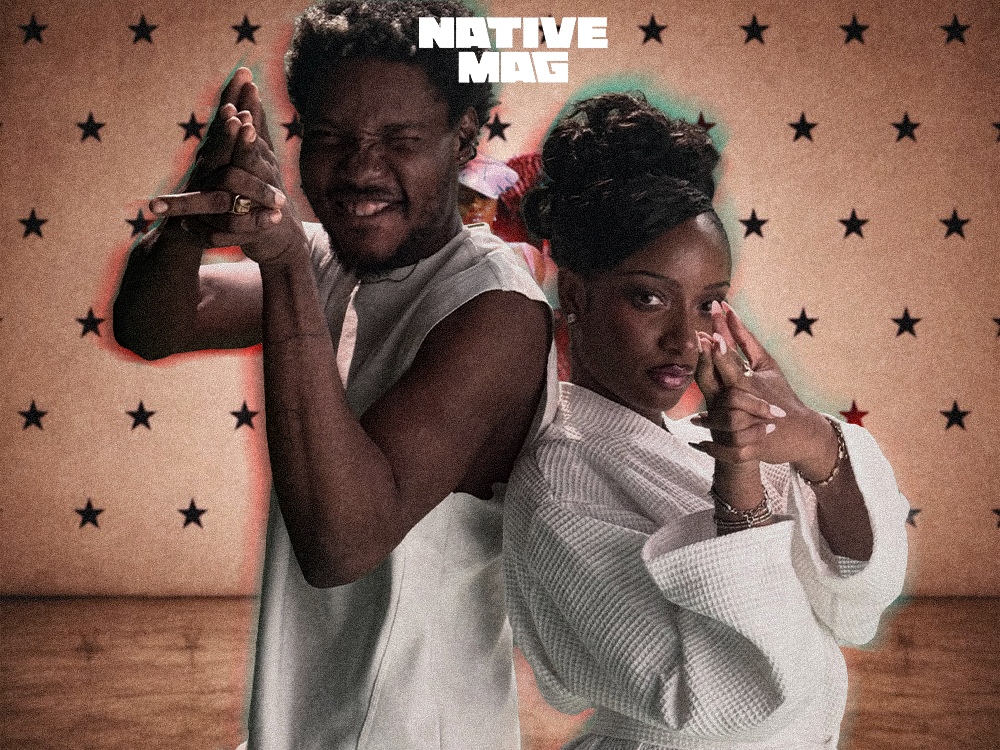
“Ms Paper,” off Ayra Starr’s ‘Starrgirl’ album, is undeniably one of its strongest standouts, ever since the snippet first emerged on the internet, hinting at a collaboration with French-Congolese singer Theodora. Since the song’s arrival, fans have gravitated towards its deliciously ostentatious appeal. The message behind “Ms Paper” is clear: it celebrates the affluent, ambitious, and confident woman taking charge of every aspect of her life, financially and sexually. This immediately evokes a specific kind of imagery in the listener’s mind and a music video for a song like that is naturally expected to encompass luxurious and sultry visual elements.
Think Akanni, the music video director for “Ms Paper,” answered beyond expectations when Mavin Records tapped him to build the song’s visual world. For Akanni, it was a dream come true, having admired Ayra Starr’s music for a long time. “I’ve always wanted to work with Ayra,” he tells Native Mag. “She’s incredibly talented, and I love her world. I think there’s something special about working with artists whose visual taste, aesthetics and creative sensibilities align with yours.”
Ayra Starr has always expressed herself distinctly through fashion and the broader visual language of her music videos. Akanni, on the other hand, has spent years bringing out the best qualities of his muses, highlighting their individual features and translating them into captivating visual narratives. It was therefore imperative that their creative visions aligned to produce a body of work that would further amplify the song’s reception.
We had a conversation with the video director about his creative journey, directing one of 2026’s most talked-about Afropop videos, and what comes next as he continues to receive attention for his work.
Growing up, I’ve always had an interest in art, whether it was drawing, painting, or anything creative. As I got older, that interest naturally grew into graphic design, and I eventually found myself working in a corporate environment as a Creative Lead, where I handled design, content planning, and visual direction. After about two years, I decided to resign. I didn’t have everything figured out, but one thing I knew was that I wanted to keep doing something creative. Somehow, I found myself drawn to photography. It just felt right, and I remember thinking, I love this. This is something I really want to pursue. That feeling led me to intern with Lexash for about a year and a half, and looking back, that was really the beginning of my photography journey.
Growing up, I’ve always had an interest in art, whether it was drawing, painting, or anything creative. As I got older, that interest naturally grew into graphic design, and I eventually found myself working in a corporate environment as a Creative Lead, where I handled design, content planning, and visual direction. After about two years, I decided to resign. I didn’t have everything figured out, but one thing I knew was that I wanted to keep doing something creative. Somehow, I found myself drawn to photography. It just felt right, and I remember thinking, I love this. This is something I really want to pursue. That feeling led me to intern with Lexash for about a year and a half, and looking back, that was really the beginning of my photography journey.
I’m not sure I can point to one or two specific things that have shaped my visual taste or aesthetic, but I know that taste matters. The way you see things, what catches your eye, and how you interpret the world all play a huge role in the kind of work you create. I believe you can’t teach that; it’s self-discovery. For me, I think a lot of it goes back to how I grew up in Lagos, Nigeria, in a more rural part of the city, and I feel like my environment probably had a lot to do with how I see things today. The rustic feel of the surroundings, the textures, the contrast, the shadows, and just the everyday things you might not necessarily pay attention to. I think I absorbed a lot of that without even realising it.
So, in many ways, I believe upbringing and the environment you are exposed to will influence your eye and the things you naturally gravitate towards visually. I also believe taste can be developed; it can be harnessed through exploring new experiences. I don’t think I can fully explain it, though. I just believe that our experiences, the places we come from, and the things we’re exposed to all contribute to how we develop our own sense of taste, and will continue to.
For me, I’ve always seen myself as someone who doesn’t want to just execute creative ideas. I always wanted to be involved in shaping the ideas, influencing the direction, and having a voice in the bigger picture. Even during my corporate days, I knew I wanted something bigger for myself. I remember being in the marketing department, and there would be strategy meetings and conversations happening that I wasn’t necessarily part of. At the time, I found myself thinking, I don’t just want to be the person who designs, leads & executes creative projects. I want to be part of the conversations where those ideas are born. I want to contribute to the thinking, the strategy and the decisions that shape the bigger picture. I’ve always had that mindset.
So, when I eventually moved into photography, I understood that there was a technical side I needed to learn first. I spent time practising, shooting anything I could, and just getting comfortable with the camera. But as I grew in photography, I started enhancing my creative direction, ideation, visual storytelling, strategy, and how to approach a project from a bigger perspective. For me, photography was never just about wanting to take beautiful pictures. I wanted to bring my own perspective, my taste, and my ideas into whatever I was creating. I wanted to be the person who could not only photograph an idea but also help shape it, develop it, and bring it to life. I think that’s what has always driven me. I love taking pictures, but I’m equally interested in the thinking behind them.
When I got the call from Mavin about directing the Ms Paper video, I was genuinely excited. I’ve always wanted to work with Ayra. She’s incredibly talented, and I love her world. I think there’s something special about working with artists whose visual taste, aesthetics, and creative sensibilities align with yours. I felt there was a natural connection there, and the thought of being able to translate that into something visual was really exciting for me. Honestly, I was thrilled. It felt like one of those moments where something you’ve always wanted to do was finally beginning to happen.
How did the opportunity come? I think the opportunity came from consistently putting in the work and staying true to my creative vision. When you’re intentional about what you create, you naturally begin to attract people who connect with your style and perspective. I believe your work will eventually find its audience, and in turn, the right opportunities will find you.
I would say the most challenging part was definitely post-production. We shot everything on a green screen, so there was quite a lot of VFX work involved in bringing the visuals to life. Big shout-out to Jonathan, who handled the VFX. He put in so many hours and days to make everything come together. Another interesting part was finding the balance between what I had envisioned creatively and Ayra’s own visual direction. She had a very clear idea of how she wanted it to look, and she communicated that really well. So it was about bringing both perspectives together and making sure we stayed true to the vision. Thankfully, we were able to pull it all together and create something she genuinely loved.
For me, directing Miss Paper was an important milestone, but that hasn’t changed who I am creatively or the direction I’m working towards. I think, if anything, it has reinforced my creative commitment & beliefs. So regardless of who I’m working with or the scale of the project, I want my creative identity to remain evident in the work. That’s very important to me. Going forward, I just want to keep creating, exploring my creative direction, and pushing my ideas further. I’d love to work with more artists, bigger names, and fashion brands, but I also don’t want to put myself in a box. I’m interested in exploring different worlds, telling different stories, and seeing how far my creativity can take me. I think there’s still so much I want to do, and I’m excited about what’s ahead.
A true reflection of themselves.

