A Primer On South African Electronic And Dance Genres
How House, Kwaito, 3-Step, Gqom, Amapiano and Lekompo rose to soundtrack South Africa's present and future.

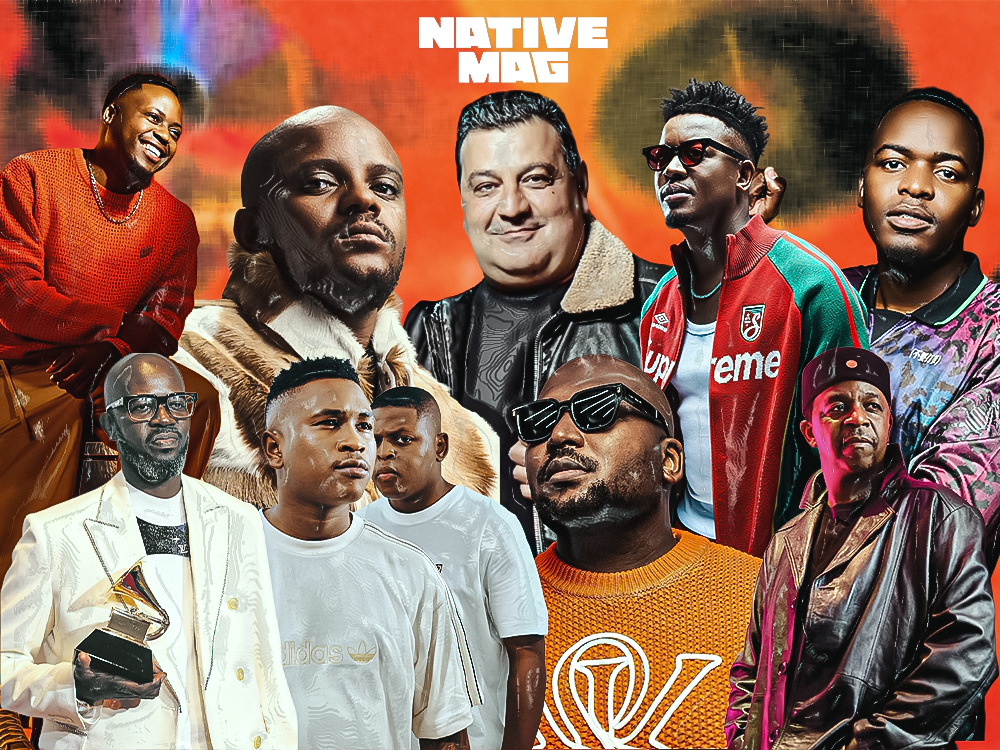
How House, Kwaito, 3-Step, Gqom, Amapiano and Lekompo rose to soundtrack South Africa's present and future.
South Africa has long been one of Africa’s greatest musical innovators, consistently producing genres that transcend borders and redefine global music culture. From the revolutionary rhythms of House and Kwaito to the worldwide explosion of Amapiano, alongside the rise of Gqom, Lekompo and 3-Step, South African music has become one of the continent’s most influential cultural exports. These genres have not only filled dancefloors but have shaped fashion, language, identity and youth culture across Africa and beyond.
One thing is important to understand: none of these genres has a single founder. Like Hip-Hop in New York or Jazz in New Orleans, South African genres were born through communities of DJs, producers, musicians and dancers who collectively pushed the culture forward. While there may not be one inventor, there are undeniable pioneers who laid the foundation and champions who elevated these sounds onto the world stage.
House Music: The Blueprint
South African House Music arrived during the late 1980s after influences from Chicago and New York reached local clubs. Rather than simply copying the international sound, South African DJs slowed it down, infused it with African percussion, township slang and local rhythms, creating something uniquely homegrown. From this movement, numerous sub-genres would eventually emerge, including Kwaito, Afro House, Deep House, Gqom, Amapiano and, later, 3-Step.
Among the architects of South African House are Oskido (Oscar Mdlongwa), DJ Christos, Vinny Da Vinci, DJ Fresh, Glen Lewis, DJ Ganyani and DJ Mbuso. Through clubs, radio stations, record labels and live performances, they built the country’s electronic music culture from the ground up. As the genre evolved, artists including Black Coffee, Culoe De Song, Black Motion, Da Capo, Sun-El Musician, Shimza, Prince Kaybee, Heavy K, DJ Kent and Caiiro transformed South African House into an international movement. Today, South African House is played at festivals across Europe, Asia, North America and the rest of Africa, making it one of the country’s biggest musical exports.
Kwaito: The Soundtrack of Freedom
When democracy arrived in 1994, South Africa found its own musical voice through Kwaito. Emerging from Johannesburg and Soweto in the early 1990s, Kwaito slowed House music to approximately 110 BPM while introducing township slang as well as African melodies and storytelling that reflected everyday life after apartheid. The genre’s pioneers include Oskido, DJ Christos, Don Laka, Trompies and Arthur Mafokate. While Arthur Mafokate is widely recognised as the “King of Kwaito,” the genre itself was a collaborative movement shaped by DJs and producers who collectively defined its identity.
Kwaito was championed by artists such as Arthur Mafokate, Mdu Masilela, Boom Shaka, TKZee, Mandoza, Zola, Brown Dash, Bongo Maffin, Thebe and even Brenda Fassie, whose crossover success helped bridge Pop and Kwaito. More than music, Kwaito became the voice of South Africa’s first democratic generation and inspired artists throughout the continent.
Gqom: Durban’s Dark Revolution
While Johannesburg was shaping Kwaito, Durban was quietly creating one of South Africa’s most distinctive electronic genres. Emerging during the early 2010s from townships including Clermont and Umlazi, Gqom stripped House music down to its rawest elements, relying on dark basslines, haunting percussion and hypnotic rhythms.
The genre was pioneered by artists including DJ Lag, Rudeboyz, Distruction Boyz, Citizen Boy, DJ Tira, Worst Behaviour, Dominowe and Babes Wodumo, whose breakout smash “Wololo” introduced Gqom to mainstream audiences. Meanwhile, DJ Lag became one of the genre’s most respected ambassadors internationally, earning recognition from electronic music communities around the world. Gqom proved that South African Electronic Music could continually reinvent itself while staying rooted in township culture.
Amapiano: South Africa’s Global Phenomenon
Few genres have travelled as quickly or as successfully as Amapiano. Born in Gauteng during the mid-to-late 2010s, with development taking place across Pretoria, Atteridgeville, Mamelodi, Soweto and Johannesburg, Amapiano fused Deep House, Jazz, Lounge music and the now-iconic log drum into an entirely new sound. The genre was shaped by pioneering producers including Kabza De Small, DJ Maphorisa, MFR Souls, Vigro Deep, JazziDisciples and Kelvin Momo, who refined its signature sound through street parties, taxi ranks and local clubs before it reached national audiences.
As Amapiano exploded, artists including Young Stunna, Focalistic, Uncle Waffles, DBN Gogo, Tyler ICU, Daliwonga, Musa Keys and Kamo Mphela transformed it into one of Africa’s biggest cultural exports. Today, Amapiano dominates clubs from Lagos and Nairobi to London, Paris, New York and Tokyo, proving that African sounds can lead global music conversations.
Lekompo: Limpopo’s Cultural Renaissance
While Amapiano conquered the globe, Limpopo was building its own movement. Lekompo emerged primarily from Sekhukhune and Capricorn Districts by blending traditional Sepedi music with electronic production, energetic percussion and infectious call-and-response vocals.
Artists including Janesh, Shebeshxt, Hitboss SA, Ba Bethe Gashoazen and numerous local producers have pushed Lekompo from village celebrations and taxi playlists onto national streaming charts. One of the genre’s greatest achievements is its fearless embrace of indigenous languages and rural identity. Rather than conforming to commercial expectations, Lekompo celebrates Sepedi culture while inspiring young artists from rural communities to believe that authenticity can become mainstream success.
3-Step: The Next Evolution
One of South Africa’s newest dance movements is 3-Step. Rather than having a single inventor, the sound evolved naturally from Afro House, Deep House and Amapiano during the early 2020s. Characterised by rolling percussion, broken rhythms and emotionally rich melodies, the genre continues to redefine South African Dance Music.
Although there is no universally recognised founder, producers including Thakzin, Atmos Blaq, Darque, Argento Dust, SculpturedMusic and Da Capo are widely credited with shaping the movement. Many fans regard Dlala Thakzin as the artist who has done the most to establish the modern 3-Step sound. The genre has since been championed by Oscar Mbo, Sun-El Musician, Caiiro, Kasango, Lemon & Herb and Zakes Bantwini, helping introduce 3-Step to audiences across Africa and international dance music festivals.
Why These Genres Matter
South Africa’s musical innovations have always reflected more than entertainment: they mirror the country’s history, identity and resilience. House music became the soundtrack of social transformation during the final years of apartheid. Kwaito gave voice to South Africa’s democratic generation. Gqom captured the raw energy of Durban’s townships. Amapiano became Africa’s biggest global dance movement, while Lekompo continues to uplift rural communities by celebrating indigenous language and identity. Now, 3-Step represents the next chapter in South African electronic music’s evolution.
Collectively, these genres demonstrate Africa’s ability to innovate rather than imitate. Instead of following Western musical trends, South African producers have consistently created entirely new sounds rooted in local experiences, languages and traditions. Their success has inspired artists across the continent to embrace authenticity, proving that local stories can resonate globally.
Beyond cultural influence, these genres have created thousands of economic opportunities. They have built careers for producers, DJs, dancers, vocalists, photographers, videographers, fashion designers, event organisers and entrepreneurs. Festivals, international tours, streaming platforms and brand partnerships have transformed what began in townships and villages into billion-rand creative industries.
As these genres continue to evolve, they reinforce South Africa’s position as one of Africa’s most influential musical powerhouses. Whether born in the streets of Soweto, the clubs of Johannesburg, the townships of Durban or the villages of Limpopo, they all carry the same message: Africa’s greatest sounds are often created by communities before they are embraced by the world.

