Olufemi Oguntamu Wants To Take African digital Creators On Global Tours
His mandate is executed through his company, Penzaarville Africa, which is home to a roster of Nigeria's top digital exports

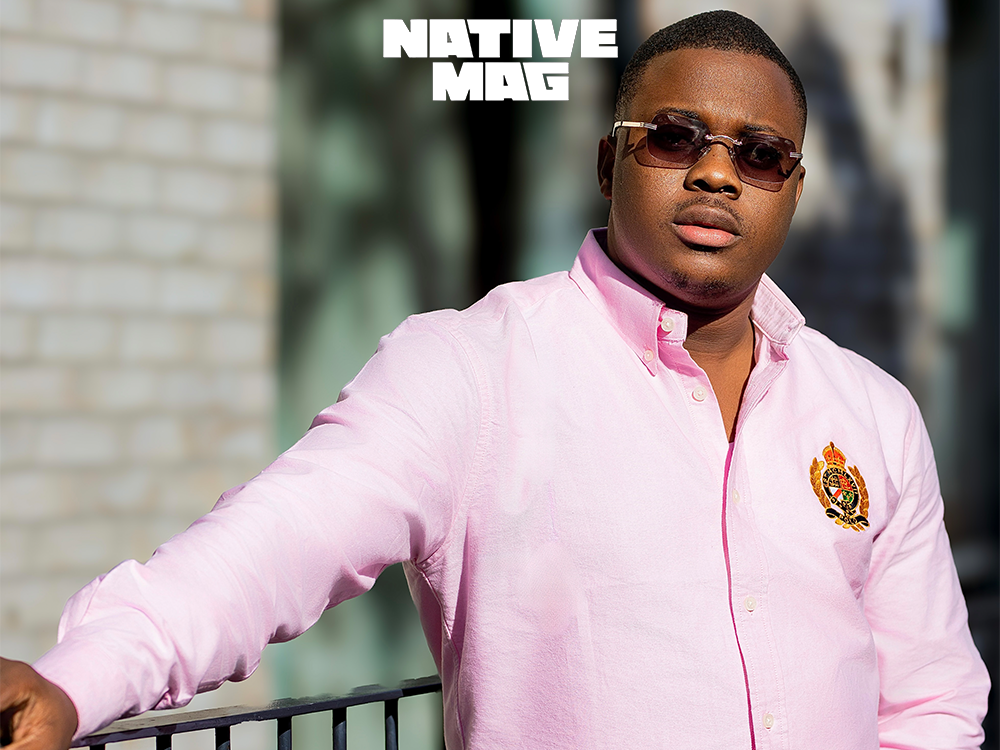
His mandate is executed through his company, Penzaarville Africa, which is home to a roster of Nigeria's top digital exports
For Olufemi Oguntamu, the founder and CEO of Penzaarville Africa, the global stage is not just an aspiration for African digital creators, it is an economic and professional necessity. As the manager behind some of Africa’s most influential digital creators, Olufemi is on a mission to strategically convert Africa’s viral digital influence into a scalable, highly professional, and global touring enterprise. His ambition is simple: to make African content creators global citizens.
“It’s good to be big online, but it’s even better to also have a very great offline presence,” Olufemi states. The offline presence is what allows a creator to graduate from just being an online sensation to a “family brand” or “offline brand” too, providing the crucial, bankable stability needed to fund an increasingly sophisticated and demanding career.
Olufemi, a renowned media strategist and talent manager with over a decade of experience, first built his reputation as a leading figure in the influencer marketing space. His company, Penzaarville Africa, was the go-to agency for influencer engagements, leading campaigns for global powerhouses like Google, Microsoft, and Bolt.
He understands that a successful tour requires more than just a famous face. It requires a viable, high-quality product. “What are you bringing to the table? Touring means that you’ve done it somewhere and you want to replicate it in other places,” he explains. His mandate is executed through his company, Penzaarville Africa, which is home to a roster of Nigeria’s top digital exports, including the renowned comedian Broda Shaggi, AMVCA winner Layi Wasabi, and creative technologist, Malik Afegbua
His hypothesis is rooted in a meticulously tested template, which began with the first self-funded tour with Broda Shaggi in 2021. Recognizing the strength of the comedy scene in markets like Kenya, Olufemi saw a natural fit for the creator’s character. “I realized that the character Broda Shaggi was playing would also resonate with them,” he noted.
The initial journey to Kenya was a calculated risk, driven by the need to create a tangible, replicable model. Their strategy focused on a heavy media tour to “propagate the gospel” of the Nigerian star and was complemented by collaborations with Kenyan creators and brands. This groundwork paid off almost immediately. Olufemi recalls the instant validation: “When we came back to Nigeria, do you know that we went back to Kenya like two times after that period, that year, for paid shows?” This success allowed Olufemi to quickly expand Shaggi’s global footprint, which now includes a successful tour across the United States and Canada.The same template was applied to an even greater effect in Sierra Leone, where Broda Shaggi hosted a concert that drew over 10,000 people.
Olufemi has replicated this success for other creators, orchestrating the media-focused UK tour for Layi Wasabi, a multi-city tour for Sabinus, African tour for Brain Jotter and shows for Kenny Blaq, among others. He has also facilitated international visibility for Malik Afegbua, whose AI art series has gained global recognition and led to international exhibitions and programs, including appearances in Europe. “I’ve come to realize that it’s a working formula,” he explains. “As long as you know what to do, you know how to go about it, you have the resources, and I can promise you that people are ready to collaborate. It’s just for you to know what you want to do.”
Despite this proven success, he is fighting for a fundamental shift in industry perception, starting with the biggest challenge: the industry’s failure to accord content creators the same logistical and financial respect as Afrobeats musicians.
“Creators are not seen like, or treated like musical artists,” he states. While musicians command business class flights, full crews, and sorted riders, some creators are often booked with economy layovers, minimal crew, and subpar accommodation. “You book Uber for them. At times nobody is coming to the airport to receive them. There’s no protocol, there’s nothing,” he says.
While he is not asking for equal pay, he is fighting for equal treatment and structure. “I think what would work is the structure you have to put in place,” he notes. “When you go through proper channels, when you have conversations and you see the level of structure,it informs how you engage the creators.” He also describes a frustrating double standard in tour negotiations: “Most of the challenges we’ve had is that people just believe that creators are just meant to be on the screen. Offline, they have no value.”
Another challenge to global touring stems from the talent themselves. According to Olufemi, many creators are quick to “start demanding.” They want to start with ridiculous fees and often insist on targeting major, saturated markets like the US. “Before you can do anything called a tour, there has to be a demand. It is the demand first and then supply.” The real work, he suggests, lies in realizing “what do I do to make people demand me in that area?”
The final piece of the puzzle is educating the talent themselves, who are often very emotional and willing to bypass their managers and team for immediate, yet subpar, deals. They need to understand that the business side must be left to business professionals to ensure rights and welfare are protected.
Looking to the near future, Olufemi is determined to be the institutional plug for African creativity globally. “What I want to do… I want to be that plug between creators in Africa and global platforms,” he affirms. “I want to ensure that there is a voice for creators in the touring industry.” By formalizing the touring circuit and setting high industry standards, he plans to create a clear professional channel that transforms the fleeting fame of the digital space into a sustainable, respectable, and highly profitable export industry, guaranteeing that African creative influence is bankable everywhere it is seen.

