Interview: Zee Nxumalo Wants You To Dance
After ending 2025 as the most streamed female musician in South Africa, Zee Nxumalo is setting her eyes on new targets,

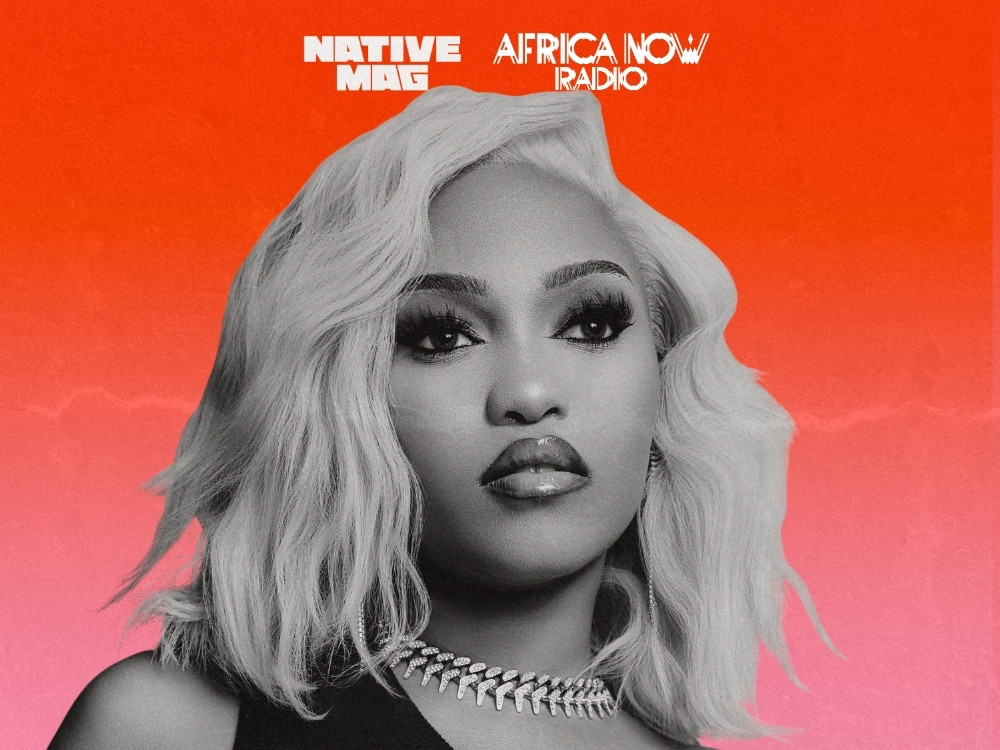
After ending 2025 as the most streamed female musician in South Africa, Zee Nxumalo is setting her eyes on new targets,
Zee Nxumalo might just be at the start of her career, but the Swazi-South African singer approaches her craft with the even-keeled maturity of a veteran. Since her single, “Funk 55,” catapulted her to mainstream success, Nxumalo has taken to music with aplomb, meeting each level with strategy and planning that she credits to her willingness to learn. “I think it actually comes from the urge of wanting to learn more,” she tells Apple Music’s Africa Now Radio. “Because you know, as you keep on learning more, you realize, ‘No, actually it gets bigger, it gets better. I can get better with time.'”
After ending 2025 as the most streamed female musician in South Africa, the star is setting her eyes on new targets, starting with the release of her extended play, ‘IZINJA ZAM,’ next week. Crafted in partnership with 3-Step icon, Dlala Thukzin, the project is a tribute to having a good time, writing a new page in African Dance Music in unique fashion as only Nxumalo can. One week before the release of ‘IZINJA ZAM,’ she comes on Africa Now Radio to discuss her career so far and the demands of growing.
The conversation has been edited for length and clarity.
What’s the goal for the new project?
I want people to dance. I genuinely want people to dance and have a good time. I mean, there are spiritual songs in the music, and that’s what I wish people could take time listening to. There’s a song, it’s my favorite song, “Igama Lami,” I think I’m going to make it the lead single. So, the song is an internal conversation that I’m having with myself. So, you know the thing about what would future Zee say? I actually did it in the song. So, I’m telling future Zee, “Ukuthi isimo sibi, konakele, izinto azihamani, kamoshakale.” And then future Zee says, “Zisoma izithazihasele. Ufuna makukfuna kfhole ubalindele.” Yo, it’s such a beautiful song. I wish people can feel what I felt when I was doing that song. Yeah, but I want people to dance.
What’s it like working with Dlala Thukzin?
So when I went to Durban, I just wanted to learn how some people work. Because I had started being in Joburg, I was boiling to want more. So, it was like, let’s see what we can take from Durban. We spent a week with Dlala Thukzin, and then we made beautiful music. Music that you listen to and you’re like, “Let’s release this.” Like, “Okay, let’s just give it to the people.” You know, that’s how confident we were with this music. So yeah, it was Durban, obviously with the help of other producers as well, but the majority of the production is Dlala Thukzin.
What does winning awards mean to you?
The recognition means so much. I always take it like that. I have this thing of let’s just look at the positive of it because if we focus too much on the negative, we’ll fail to celebrate what God has actually given us. So, no matter how bad the situation is, ngithi noma waphu-munga-winanga-lutho, it’s the fact that just the recognition, kusho ukuthi ngiyitshaye game because I’m my biggest fan. But with me with awards, I’m just grateful for the recognition; I don’t want to lie. And being the most nominated artist at Metro FM 2026, that for me was a win.
How do you handle growth?
I’m still growing, you understand? And maybe I’m doing things that one day I’m going to be like, “Mmm, I shouldn’t have done that.” You know, and that’s what comes with growing, mistakes. So with me, it’s just accepting my nature of being a female because there’s DNA that contributes. That means there comes a time in the month when I’m moody. At least I’m able to be like, “Okay, maybe I’m not in this space to be interacting with people, maybe ngizophawana nama-emotions,” you know, because that’s just who I am, I am female. But it’s a learning process. Ngiyaphunda. Maybe after 10 years, I’ll come back to you with a proper answer.
How are you processing getting popular beyond South Africa?
I think it actually comes from the urge of wanting to learn more. Because you know, as you keep on learning more, you realize, “No, actually it gets bigger, it gets better. I can get better with time, yabo? So I think much of the credit I’d give to my nature of wanting to learn. For example, when I was in Alex and when I was cool in Alex, anyone could have been like, yeah, actually I’ve reached the pinnacle of Alex, but you can actually get cooler than Alex and get out of Alex and do dope [things]. Then you’re like, no, it gets bigger than dope, South Africa. Then when you start obviously interacting with people from other places, like you can actually be big in South Africa and go global.
What helps you dream bigger?
I think much of the credit should be given to my team, honestly. That’s what I like about working with people who are more advanced than you are. For example, I come from Alex, and most of my team members come from the North, [so] they’ve been exposed. So those are the people who have also helped me dream bigger. I remember at one point when they were like, “You know, you need to get a stylist.” I’m like, “I-stylist iyabhadalwa? You must pay someone to dress you up?” But it’s just not the same, or maybe you just can’t be that consistent, yabo? As opposed to having someone who’s actually doing this thing as a profession, there’s a difference. I mean, not saying you shouldn’t style yourself, it’s good to play around with your art, but the intention was taught by i-management yami, angifuni amampunge.
Are you trying to break through in Nigeria?
Let me start by saying I think the biggest platform is South Africa. And then from South Africa it gets better. In terms of reaching out continentally, we are trying to penetrate the Nigerian space. I found it very interesting, like the interest. So obviously, we’re reaching out to the other side. We were doing a panel talk there as well. So we are very much trying our luck in that Western Africa region. I’m hoping it’s going to go well. I think I’m ready now, because also with my sound, I’m very defined, because you know, I don’t have that thing where when you go to Nigeria, then you want to be Nigerian, because obviously, you are not yet ready. But if you’ve defined yourself in your own hometown, I think it’s going to go easier for us to come out in Nigeria and be fully Zee. You know what I’m saying? We are really trying the Nigerian market, and then I’m going on a UK tour as well, doing AfroNation. So yeah, we are going global. We are global. The main focus is just to go global.

