Interview: Manana Knows That Things Aren’t Always What They Seem
Across 10 songs, Manana's buttery vocals float languidly over delicate R&B instrumentation as both an invocation and honest approximation.

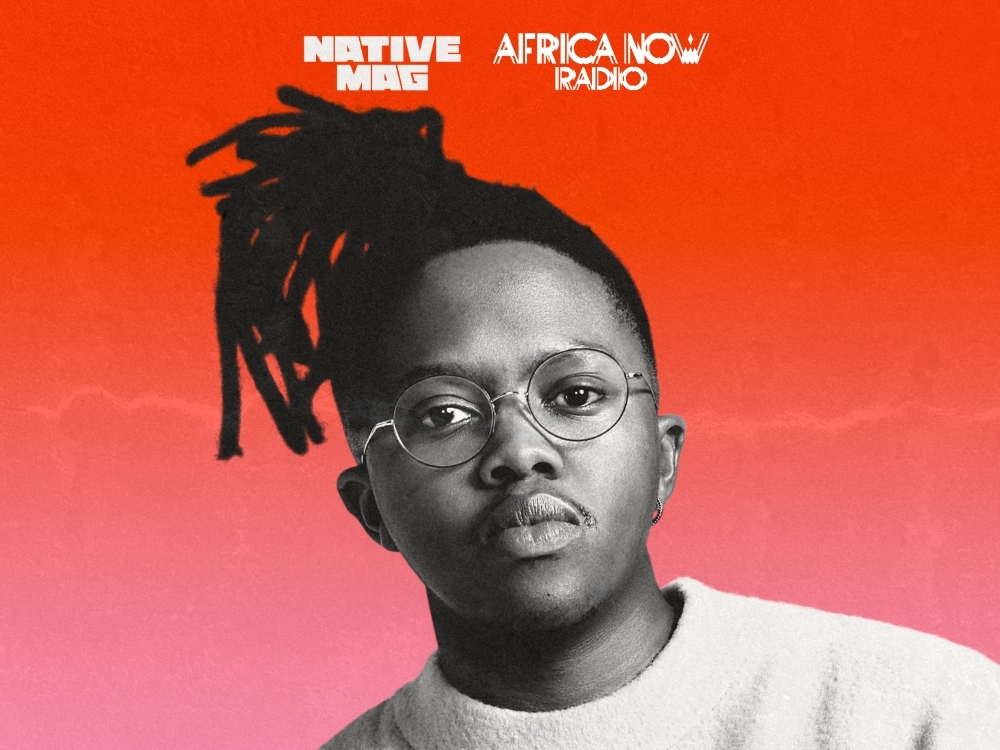
Across 10 songs, Manana's buttery vocals float languidly over delicate R&B instrumentation as both an invocation and honest approximation.
Grammy Award-winning musician, Manana’s, album, ‘it really isn’t what it is,’ opens on “No!” with the sort of intensity that crashes into focus the message that the Eswatini-singer is trying to pass: things aren’t always what they appear to be. It’s a deliberate attempt at puncturing the curated reality that modern day life has warped many to believe as a standard. “I think social media and the world of the internet has kind of created this thing where you always have to have your packaging, not just of your professional life, but of your personal life,” he explains to Apple Music’s Africa Now Radio. “Everything has to be packaged well. So oftentimes, things aren’t what they are.”
Across 10 songs, the singer’s buttery vocals float languidly over delicate R&B instrumentation as both an invocation and honest approximation of where he’s at right now in life. Songs like “Talking Stages,” “Sun Sets on Beautiful Days,” and “No More” reveal a sensitivity that allows him to parse emotions without being consumed by their manifestation. “I think it’s an age thing.” he says about the inspiration for the project. “I was telling the guys as we were making this project that this is my favorite project I’ve ever made. Typically, when the album comes out, I’m not able to go back and listen to the music. I can’t really stand it actually once it’s out, but I’ve actually been listening to the project more or less every day since it’s been out and I’m realizing that not just the music, like the genre specifics and sonics of the project, it’s also the content.”
This interview has been edited for clarity.
How has your journey with music been?
A school was touring Eswatini and my mum literally just said to me, “Don’t you think it’d be nice for you to audition?” I didn’t think much of it. I auditioned, got in, and the next year, I was there. When you’re auditioning, it doesn’t really feel like something big is happening. It just felt like another day. If I’m honest, the journey of music didn’t feel like a career journey even at that time. Even at the College of Music in Cape Town at UCT. I think I probably had an existential crisis in my final year because studying the arts, a lot of us do well, some of us don’t make it, but a lot of us do well, and then you get to fourth year and it’s like, what’s next? I think even at that point, I wasn’t necessarily confident that I’d be able to build a career out of music.
What did writing with Sauti Sol do for you?
I think after my first writing camp experience with the Sauti Sol brothers, that’s when I was like, “Okay, cool, this is something that I feel like I can make a living out of, and I feel like it’s something that I can do.” After being in a room with them–they’re extremely kind and extremely open–they made me feel comfortable in the space. So, it wasn’t like I was this nobody who was there to work with legends. I think that’s actually what made me feel like, “Okay, cool. This is a space that I think I could work in.“
What inspired your album title, ‘it really isn’t what it is?”
I always tell people that obviously when you listen to my music, there’s a lot of intense love, there’s a lot of intense heartbreak. I think in our minds, we wish those things didn’t all happen at the same time, but often they do. I think we’re able to experience joy and still be grieving or or pain and have something joyous happen. I think social media and the world of the internet has kind of created this thing where you always have to have your packaging, not just of your professional life, but of your personal life. Everything has to be packaged well. So oftentimes, things aren’t what they are.
Why did you feel this was the right time for this body of work?
I think it’s an age thing. I was telling the guys as we were making this project that this is my favorite project I’ve ever made. Typically, when the album comes out, I’m not able to go back and listen to the music. I can’t really stand it actually once it’s out, but I’ve actually been listening to the project more or less every day since it’s been out and I’m realizing that not just the music, like the genre specifics and sonics of the project, it’s also the content. I think that “Remember Me,” funny enough, [is a] trick that a lot of us like using, but as much as the song on the surface feels like it’s about a romantic relationship, it’s actually more existential. We were in the studio with some friends, we just had one of those weeks where it just felt like we were wasting our time and we were like, “Who would remember me if I had to leave the world today, who would remember me?” That’s kind of where the song came from. That’s why it feels so intentional and so intense emotionally. I know it’s not necessarily like a happy way to end the project, but I think it’s very introspective and I think it’s an interesting way to end the project.
Why did you start the project with “No!”?
I think intensity is a great way to open a project. It feels like if you’re sitting in a room and you’re talking, and then someone opens the door with a dramatic swing, like a whoosh open. I think that’s what the song feels like for us. We’re introducing certain tender topics but the way to open the door is with drama and an announcement of the arrival of the project. So that was kind of the reason why I started so intensely. I also think the subject matter is–some of it is tongue in cheek but a lot of it is–relatable on this more serious side. If you’re in a relationship with someone, especially in our context, if family gets involved and people love the person you’re with, and then things don’t end up working, then you keep on getting phone calls from people in the family and asking you all these questions. So, it was kind of a little bit tongue in cheek, but also relatable content as it were.
What inspired “Talking Stages?”
I think I am probably the opposite of that. I love peace. I love calm. So for me, this back and forth situationship vibes is just like yuck. So even the pre-chorus where we say, “You say I’m way too much and I overwhelm you with my love,” is hilarious because a lot of people use that excuse as like, “I’m not ready for this, you know, it’s quite intense,” and all that kind of stuff. When you know, if you’re the one that’s fully in love, it just feels like you’re being played with. I think for me that’s where this came from. Just like from a place of peace to be like, “Yo, dude, just let’s clarify what this is. No more situationship vibes, otherwise we’re gonna move it to the side.”
How much does R&B shape your approach to making music?
Growing up in our house, my brother used to sneak what we called musical contraband. Obviously, in our house, it was Hillsong and Gospel music. My brother would sneak in Musiq Soulchild, D’Angelo, and Maxwell. That era of music I think was heavily influential growing up. It’s taken a while for me to actually breathe that into the work we’re making. We felt like we have the ability and the desire to push that sound a little bit this time around. Obviously, back then, there’s all kinds of stories told in that music. There’s promiscuity, there’s love, and there’s heartbreak.
What experience brought about “Sun Sets on Beautiful Days”?
It’s literally that. We were thinking about the fact that in our heart of hearts, we just don’t want nice things to end, but everything does. I think the picture of sunsets on beautiful days, especially after you’ve had a great day. You’ve been chilling with your family. You’ve maybe started at brunch somewhere, and then someone is like, “Oh, let’s go catch a movie or whatever..” You do that, and then you go chill at someone’s place at the end. It’s always like you’re trying to make the day extend, but it just doesn’t happen. I think that kind of is a good imagery for a relationship that you don’t want to end. “I know the sun sets on beautiful days too, so I try to replace you” as if the next day is starting and something better would come. But after Sunday comes Monday. That’s how I was trying to paint this.
What qualities do you look for in a woman?
It’s tough to describe, but I think for me it’s being a bringer of peace. I’m from Eswatini, so it’s actually a trait that I feel like a lot of people in the region have. A lover of peace and a bringer of peace, that for me is number one. If you’re able to be that person, I think that’s amazing.
How did you approach making “No More” with Lusanda?
It’s funny. The verses have what some would call a complex backbeat that plays along with the chords in that section. Then there’s a much simpler backbeat in the hook. That contrast is kind of in the lyric as well, where in a relationship you can kind of beat around the bush and say things and all that kind of stuff, but at the end what, what the hook says is, just simply put, “I don’t care about you no more.” I can try and euphemize and go round in circles trying to get to this thing, but the reality of the matter is I actually just don’t mean this. It’s simply put. I think the correlation in the beat and the lyric is a good partnership.
What role does nostalgia play in “No More,”whether it is more about missing a person or just missing who you were when you were with them?
I think it’s a bit of both. I think nostalgia, oftentimes, it’s ambitious and I think aspirational, if that makes sense. You remember the person you think you were and hope you were more than what actually was. I think that’s why the memories are sweeter. So, that’s why even the song has a certain sweetness to it. You kind of have this fondness of the meeting, the fondness of even the shock of seeing the person with someone else. The memories always have a sweeter taste to them because they’re hopeful and ambitious and hopeful.
What was it like collaborating with Nasty C on “Alright?”
When he recorded this verse, we were at a friend’s place and there’s a studio there. He locked himself in the room, recorded himself and we ate dinner after that. He chilled for a little bit and then walked out. When we played that verse the first time, everyone in the room was emotional. It was like my goodness, it was like his verse was like a prayer. It was like a confirmation of what everyone obviously was feeling and what everyone wants to hear. There’s boundaries to sticking around and there’s levels to it. He captures that boundary very well to say that, “When things are bad, when things are good, I’m gonna be here,” in that verse. That’s one of my favorite verses ever, honestly.
How did you approach making “Remember Me?”
This song is one of the heavier ones that I’ve ever written, and it’s one of the realer moments I think we had creating this project. We were all in a bit of a weird funk the week we created this. This was an expression of that. One of the producers and the gentleman who makes the project as well has a special attachment to this song because I think it expresses how we all reckon with the concept of legacy and what all the work that we’ve done will amount to and the people that we are will amount to. So, this song honestly felt like the perfect way to end the project.

