Interview: Fireboy DML Is Reintroducing Himself On ‘ZUKO!’
Seven years after "Jealous," Fireboy DML is making a reintroduction that pulls from some of the continent’s foremost Dance variants.

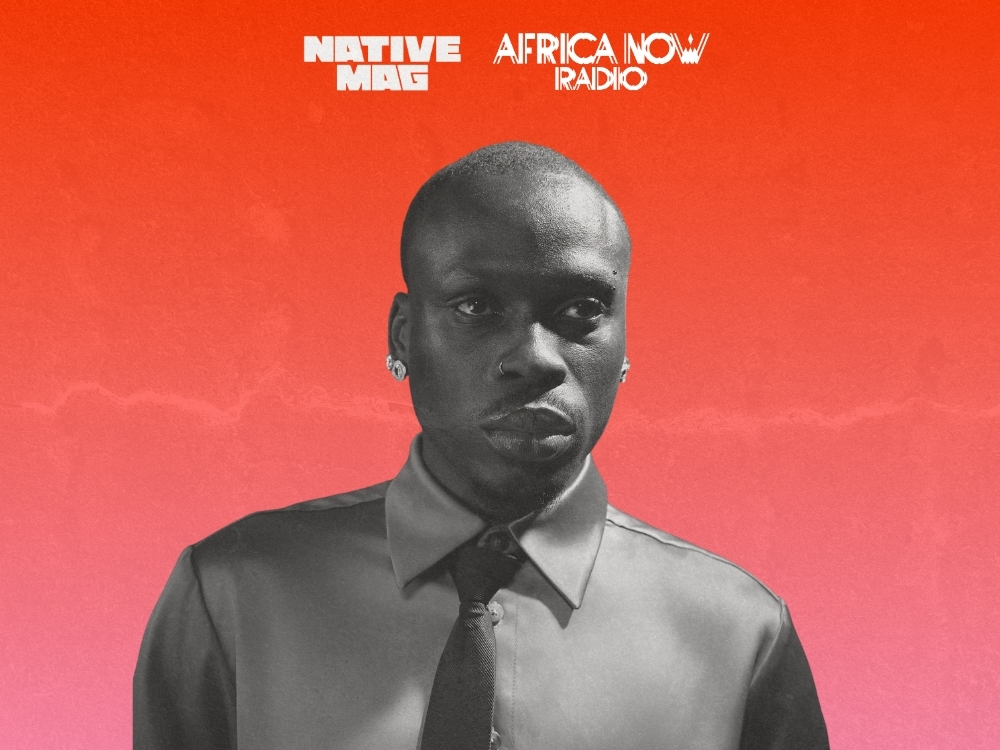
Seven years after "Jealous," Fireboy DML is making a reintroduction that pulls from some of the continent’s foremost Dance variants.
Since Fireboy DML broke through with “Jealous” in 2019, we have met different iterations of the Abeokuta-raised singer. From the bleary-eyed contemplation of ‘Laughter, Tears & Goosebumps’ to the self-confident posturing of ‘Playboy,’ and a return to self of sorts on 2024’s ‘adedamola,’ the singer has evolved across his eras, pulling inspiration from a variety of sources in a quest to reach full maximisation of his abilities. On his latest album, ‘ZUKO!,’ the singer is in a self-confident mindset, and he’s channeling that sense of ease with self over some of the most-throbbing instrumentals he’s performed over in his career.
“I figured that it’s not just enough to remind people who you are if you have to also remind yourself,” he told Apple Music’s Afric Now Radio. “That’s what this project is really about.” Across songs like “BY FIRE!,” “C’EST LA VIE,” and “ONAZO!,” we are introduced to a version of Fireboy DML that’s not just obliterating the concept of a comfort zone, as he is profoundly subverting the expectations of what a Fireboy DML song can sound like. Seven years after he first piqued mainstream attention, the singer is marking a new epoch with a reintroduction that pulls from some of the continent’s foremost Dance variants without losing touch with the Soul-inflected leanings that have served him well so far.
This conversation has been edited for clarity.
What did you think ‘ZUKO!’ could do differently compared to previous albums?
I think the last album, ‘Adedamola,’ was more about reminding people that I’ve not lost my identity. I’ve not lost who I am. I’m still the same guy they fell in love with. This one is the project from someone who is assured in himself, who needed to remind himself that he hasn’t lost himself. I figured that it’s not just enough to remind people who you are if you have to also remind yourself, and that’s what this project is really about. And also to show people other sides of me that they missed out on the last few years. I feel like that misunderstanding of my persona and who I am might have caused a disconnect, and this album is just about bridging that gap.
In relation to your passion, is the goal to control it or finally learn to embrace it?
More like embrace, really, to be honest, because it’s not something you can control. It’s just something you have to accept and embrace. That’s the only way to really maximize it. It’s also important to carry everyone else along. It’s not enough to just be assured in yourself. It’s also important to carry everyone else along, especially everyone who listens to you, everyone who feels like they’re a part of you, all that stuff. So that’s, that’s what this is about.
How did you decide on the album’s visual language and artwork?
Credit to my creative director. He understood the vision in the sense that I had a meeting with him earlier in 2026 and explained the vision, theme, and everything. The bull is linked to South American culture, where they have the bull and a red piece of clothing to try to get the bull to get active. It’s just something about facing your fears and being confident in facing them. The bull could mean anything to anyone, but to me personally, it’s about just facing your fears confidently. No one has to know that you’re scared of facing your fears, but just look confident while facing them.
Why did you choose to open the album with “Dear Father“ and what does father refer to?
Father in this sense is referring to God for sure. It’s just a letter of supplication to God before we proceed, just asking God for something. Telling God your greatest fears before you go on and get active. It’s just very symbolic. Everyone usually looks forward to my album intros because it kind of sets the tone. The truth is that the second song is actually what sets the tone. The first song is just to calm your mind before that—like a calm before the storm.
How did you balance wanting to make a personal album and your fans’ desire to see you collaborate with other artists?
It’s a very personal album, and the fans might not really like it, because—especially the Nigerian fans—they love collaborations. They love to see their favorite names on the track lists of their favourite artists. They wanna see this person on this person’s song. It’s one way that Afrobeats artists have used to really grow over the years: collaboration and all that stuff. But this is a very personal album. To be honest, I tried to make it more collaborative than it is, but it just didn’t work out, and I just felt like maybe that’s how it’s supposed to be. I don’t fight anything anymore; I just let it be. So it’s got a few collaborations because it’s just very personal, and I feel like when people listen through, they would understand why.
How are you evolving personally and musically?
I’d like to think that I’ve not lost any bit of essence of myself, especially coming from my first album. I feel like all those qualities that people love in a Fireboy DML album are still there; they’re just a grown version of it. That grown sexiness, the grown romance, grown everything. And a little bit more grit, a little bit more anger, a little bit more pain. But still Fireboy DML regardless.
What was it like working on “IMALI” with your collaborators?
It was amazing working with Thukuthela and JAZZWRLD. [They’re] really super amazing guys. They really helped me out. We have more than one record, by the way. We have made like three or four songs. It’s amazing.
We have really great synergy.
What’s your relationship like with money (Imali in Zulu)?
Thankfully, I don’t have that usual attachment to it. Well, maybe because I’ve been familiar with money for a while. Thankfully, God has blessed me with some money in the last few years. But I mean, there’s always more. There’s always a level to everything. So, right now, my mindset is I need more money. There’s a certain kind of life that I want to live, and I need a lot of money to live it, and I’m working towards that. So, that’s what that song means. No matter the level you get to money is very important. It’s always important to try to work towards it. It’s not the most important thing in the world, but it’s very important as well.
What does “One Man Regiment” mean to you?
That is the song that explains all my madness. That’s the song that explains why the rollout is the way it is. That’s the song that explains why the visual is the way it is, and I can’t wait for the world to hear it.
There’s an amazing video for the song that’s dropping on the 16th also.
How do you perceive this album?
It sounds like something that’s my own take on what a global album—or what an attempt at a global album from an African artist—should sound like.

